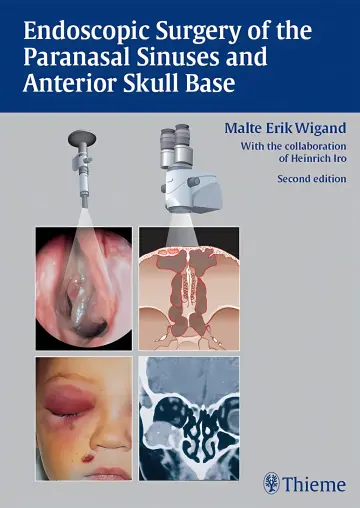
Endoscopic Surgery of the Paranasal Sinuses and Anterior Skull Base
Wigand, Malte Erik
₹9,571
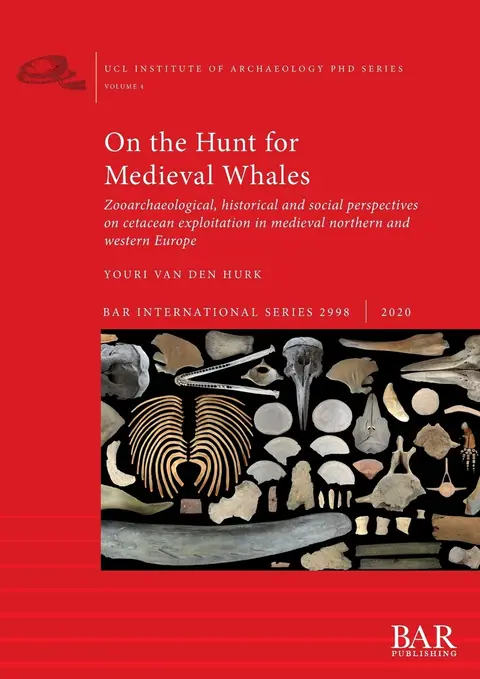
by van den Hurk, Youri
BAR Publishing · 2020
A zooarchaeological study of cetacean exploitation in medieval northern and western Europe, covering whales, dolphins and porpoises. Written for archaeologists and historians of the period.
Free delivery. Nothing extra to pay at checkout.
Medieval people in northern and western Europe hunted and ate whales, dolphins and porpoises, and this practice has been linked with Basque, Norse, Norman and Flemish societies. The study focuses mainly on the ninth to twelfth centuries AD.
A key argument is that cetaceans may have carried more symbolic weight than practical value, and that their consumption may have been limited to the social elite. Whether active whaling took place remains unclear. One problem is that bone fragments are often labelled simply 'whale', because they are hard to identify to species, which hides what people were really hunting.
Zooarchaeological work for the book found that cetacean exploitation was widespread, with the harbour porpoise, the common bottlenose dolphin and the North Atlantic right whale frequently targeted. BAR Publishing released the book in 2020. It runs to 256 pages. ISBN-13: 9781407357201.
Wigand, Malte Erik
₹9,571

Angela Walters
₹1,076

Peter D. Donnelly, Catherine L. Ward
₹5,102
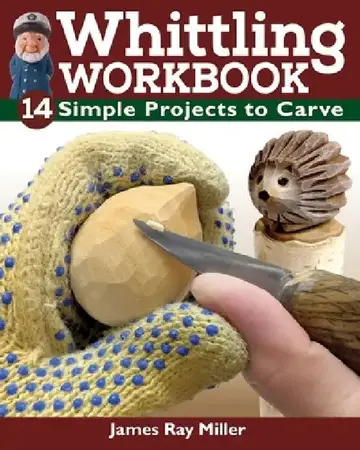
James Ray Miller
₹1,187
William Panek
₹5,253
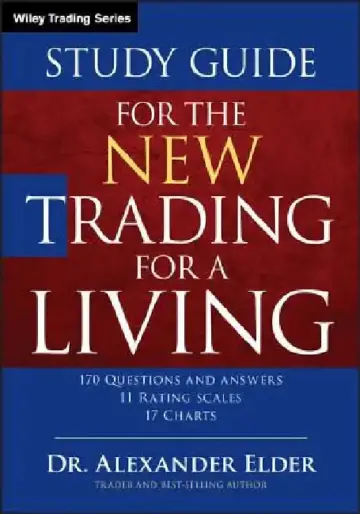
Alexander Elder
₹2,769

Boorstein, Seymour
₹2,844
Tamar Szabó Gendler
₹5,138
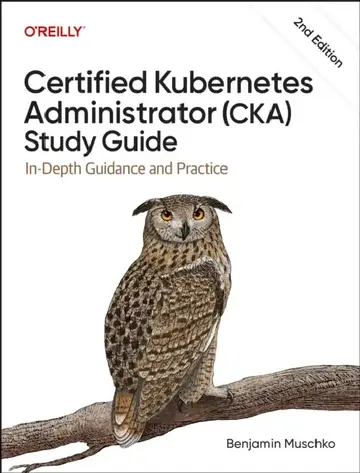
Benjamin Muschko
₹4,649
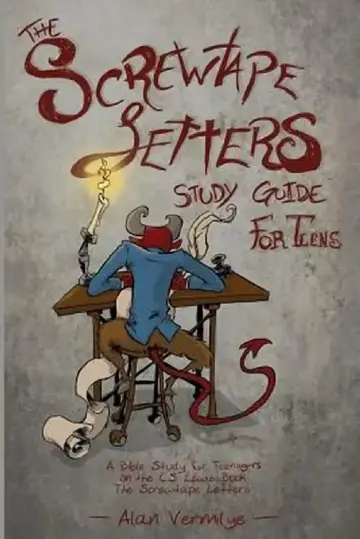
Alan Vermilye
₹998

Alan Weiss
₹4,231

Eubank, Keith
₹1,880